IRS FIRE Retirement: What International Filers and Tax Professionals Need to Do Before 2027
Updated: September 1, 2026
Topic: IRS information returns, IRIS, FIRE retirement, and foreign filers
The IRS is retiring the Filing Information Returns Electronically (FIRE) system for information-return filing and moving filers to the Information Returns Intake System (IRIS). Current FIRE users must prepare for the transition before filing tax year 2026 information returns during the 2027 filing season. The IRS has published several important deadlines, including November 19, 2026, at 3 p.m. Eastern time, as the final deadline for filing information returns through FIRE. [1] [2]
This change matters to tax professionals, businesses, financial institutions, and international organizations that file information returns such as Forms 1042-S and applicable Forms 1099. It also matters to professional partners supporting non-U.S. residents, because an ITIN or EIN can be part of the broader information-reporting and tax-compliance workflow, but neither number replaces the required IRS transmitter authorization.
What is changing from FIRE to IRIS?
FIRE has been used to transmit information returns electronically to the IRS. The IRS now says that IRIS will become the only information-return electronic filing system after January 1, 2027, including for current-year forms, prior-year forms, and corrections. [2]
IRIS is available through two channels. The IRIS Taxpayer Portal is a free, web-based system that allows a filer to e-file up to 100 returns at a time. Filers can enter data manually or upload a CSV file, download payee copies, and maintain records of completed and filed forms. Businesses and tax professionals with larger filing volumes can use IRIS Application to Application through compatible third-party software or their own software.
The transition does not change the underlying purpose of information returns. It changes the electronic intake platform and the authorization steps required to transmit those returns.
Key IRS deadlines for current FIRE users
| Deadline | What it means |
|---|---|
| November 1, 2026 | Last day to file test information returns through the FIRE Trading Partner Test System |
| November 9, 2026 | Last day to make changes to Information Returns Applications for Transmitter Control Codes (TCCs) |
| November 19, 2026, at 3 p.m. ET | Final deadline to file information returns through FIRE |
| January 1, 2027 | IRIS becomes the only electronic intake system for information returns, including corrections and prior-year forms |
The IRS recommends that current FIRE users complete an IRIS Application for TCC, review the IRIS filing guidance, subscribe to IRIS QuickAlerts, and follow IRIS Working Group updates. [1] [2]
What is a TCC and why does it matter?
A Transmitter Control Code, or TCC, is an authorization identifier used in the IRS electronic filing process. A company or tax professional that transmits information returns cannot simply move from one platform to another without reviewing its authorization requirements.
The IRS explains that the IRIS Application for TCC is used to request authorization to participate in electronic filing through IRIS. The application currently supports the Form 1099 series, including Forms 1042-S, 1097, 1098, 1099, 3921, 3922, 5498, and W-2G. Beginning with filing year 2027, IRIS will also accept Forms 8027 and 8955-SSA. [3]
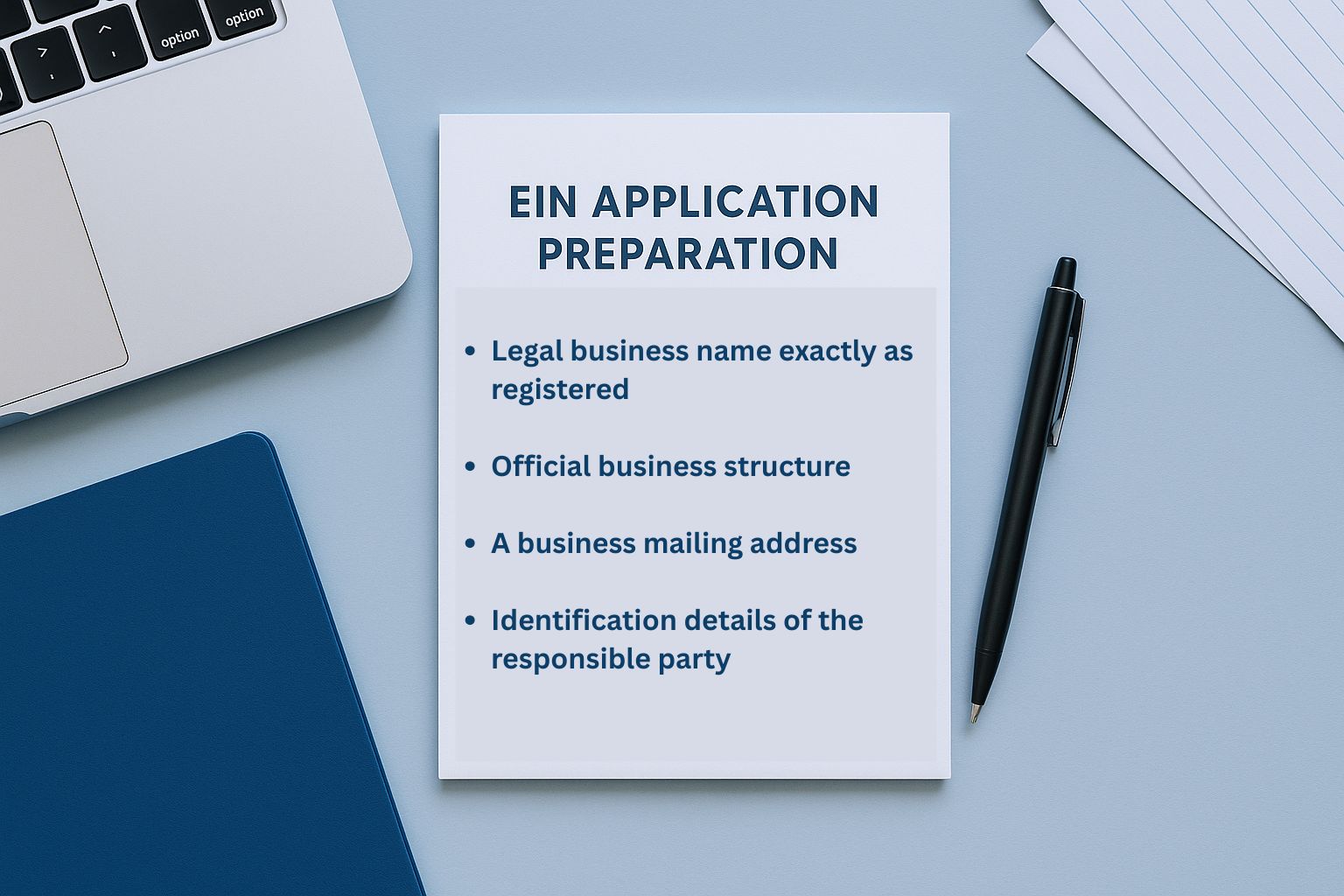
Businesses should identify who is responsible for the application, confirm that legal names and tax identification details are accurate, and keep account access information available for the team members who will use the system.
Special point for foreign filers
Foreign filers should not assume that every filer uses the same registration route. The IRS maintains a separate Foreign Filer TCC Registration System for foreign filers whose authorized users do not have an SSN or ITIN and who need to file certain information returns electronically through the International Data Exchange Service (IDES). [4]
The IRS specifically states that filers with authorized users who have a U.S. taxpayer identification number, such as an SSN or ITIN, must not use the Foreign Filer TCC Registration System. Instead, they must apply for a TCC through the IRIS Application for TCC and transmit applicable information returns through IRIS. This distinction makes it important to confirm the authorized user’s status before selecting a registration path.
The IRS also states that the legal name entered during foreign-filer registration must exactly match the legal name used when the EIN was obtained. A mismatch may create an error or delay the process. International businesses should therefore keep their EIN confirmation, legal formation records, and reporting-system registration information consistent.
Does an ITIN replace an EIN or a TCC?
No. These identifiers serve different purposes.
An ITIN is an individual taxpayer identification number issued by the IRS for a person who needs a federal tax identification number but is not eligible for an SSN. An EIN identifies a business entity or other eligible organization for federal tax administration. A TCC authorizes a filer or transmitter to use an IRS electronic filing system for information returns.
| Identifier | Primary purpose | Issuing or authorizing body |
|---|---|---|
| ITIN | Federal tax identification for an eligible individual who cannot obtain an SSN | IRS |
| EIN | Federal business tax identification | IRS |
| TCC | Authorization to electronically transmit information returns | IRS |
| LLC formation documents | Creation of a state-law business entity | Relevant state authority |
An international founder may need an EIN for a business and an individual ITIN for a separate federal tax purpose, but those numbers do not automatically authorize information-return transmission. The business or tax professional must follow the applicable IRS registration process.
A practical transition checklist
Confirm whether your organization currently uses FIRE
Ask your internal tax, payroll, finance, or compliance team whether the organization files information returns through FIRE. Include external accountants, software vendors, and transmitters in the review. A business may not operate the system directly but may still depend on a service provider that must complete the transition.
Choose the appropriate IRIS path
Determine whether the organization will use the free IRIS Taxpayer Portal or IRIS Application to Application. Filing volume, software integration, data controls, and internal responsibilities should guide that decision.
Apply for the IRIS TCC early
Do not wait until the final FIRE deadline. Review the IRIS Application for TCC, follow the IRS tutorial, and confirm which authorized users will manage the account.
Review legal names and tax IDs
For international businesses, compare the legal name used in the IRS registration with the name on the EIN confirmation and formation or registration records. Resolve inconsistencies before filing season where possible.
Test the workflow
If your organization uses software or Application to Application filing, allow time for testing, data mapping, error handling, and payee-copy procedures. Keep evidence of successful tests and document who will monitor rejected or corrected submissions.
How ITIN.com fits into the broader workflow
ITIN.com helps international individuals and businesses organize U.S. tax-identity and market-entry steps. The platform can prepare and coordinate ITIN, EIN, LLC formation, and banking-assistance services according to the customer’s needs. These services remain separate from IRS information-return transmitter authorization.
The IRS issues ITINs and EINs, state authorities form LLCs, and banking partners decide whether to approve accounts. ITIN.com prepares, verifies, files, coordinates, and guides; it does not issue these government identifiers, grant a TCC, or guarantee bank approval.
Bottom line
The FIRE-to-IRIS transition is an operational deadline that international filers and tax professionals should address before the 2027 filing season. Current FIRE users should review the IRS deadlines, select the correct IRIS or foreign-filer registration route, request or update the required TCC, and test their filing process well before November 19, 2026.
Important: This article is general information based on IRS materials available on September 1, 2026. It is not tax, legal, or accounting advice. IRS systems, deadlines, forms, and guidance may change. Confirm the current requirements directly with the IRS or a qualified professional.